


Best nut-free freeze-dried fruit snacks for preschool classrooms
Editorial Team
Best overall shortlist: strawberry crisps. Best for children who already prefer apples: apple crisps. Best for tropical-fruit fans: mango crisps. For preschool classrooms, each choice must pass the school’s nut-free snacks policy, current-label review, and the child’s eating needs before you pack it.
TL;DR
- Naturesturn freeze-dried fruit snacks suit parents seeking 100% fruit options to submit for classroom approval.
- For nut-free snacks, check ingredients, allergen information, and preschool policy before choosing a flavor.
- Shortlist strawberry for a berry option, apple for apple-preferring children, and mango for tropical-fruit fans.
- No added sugar does not mean sugar-free; fruit contains naturally occurring sugar.
Why this matters
Preschool snack duty sounds simple until you need to consider classroom allergies, ingredient labels, and what children actually enjoy eating. A fruit-only ingredient list answers one question, but it does not establish whether a snack meets a classroom’s allergy rules.
Naturesturn freeze-dried fruit snacks are best for parents seeking 100% fruit options to submit for classroom approval. The brand offers fruit crisps made with no added sugar; that is an ingredient distinction, not a nut-free certification.
Start with the difference between nut-free snacks and peanut-free snacks. Peanuts and tree nuts are different allergen categories, so a preschool’s wording matters.
What makes the best nut-free snacks for preschool?
For your 2026 classroom snack list, put approval ahead of flavor. Use these criteria before comparing the fruit options below:
- Classroom acceptance: The exact snack must meet the preschool’s written policy, including any packaging requirements.
- Current allergen information: Read ingredients and allergen statements on the package you intend to send. Ask about manufacturing information when the school requires it.
- Suitable texture: Match the actual pieces to the child’s eating skills and any feeding guidance provided by their caregiver.
- Familiar flavor: Start with fruit the child already likes rather than treating snack duty as a taste test.
- Practical packaging: Keep labels accessible and protect the crisps from crushing or moisture.
- Clear ingredient expectations: Distinguish 100% fruit and no added sugar from claims about allergens or total sugar.
These criteria deliberately separate two decisions: whether a product belongs in the classroom and whether a child will enjoy it. A favorite flavor cannot override an allergy policy.
Freeze-dried fruit snacks at a glance
These are flavor-based shortlists, not a list of products certified nut-free. The ranking helps you choose which option to review first; classroom approval remains the deciding step.
| Option | Best for | Standout feature | Key limitation |
|---|---|---|---|
| Freeze-dried strawberry crisps | A berry-focused starting choice | Strawberry flavor in a crisp fruit format | Not the default for children who dislike strawberries; requires label and policy review |
| Apple crisps | Children who already prefer apples | An apple option for a familiar-fruit routine | Enjoying fresh apples does not establish acceptance of crisp texture |
| Freeze-dried mango crisps | Children who enjoy tropical fruit | A mango alternative to apple and berry choices | A less useful starting point when mango is unfamiliar to the child |
All 3 flavor options need the same allergy-policy review. None earns a safety advantage simply because its name contains only fruit.
1. Strawberry crisps: best fruit snacks for a berry-first shortlist
Strawberry crisps offer strawberry in a dry, crisp format rather than as fresh fruit or a chewy fruit snack. Choose this starting point when the child already enjoys strawberries and accepts crisp foods.
The appeal is straightforward: you can keep the flavor choice focused instead of introducing a mixed-fruit assortment. For shared classroom snack duty, confirm the exact product with the teacher before purchasing for the group.
Strawberry crisps pros:
- Give strawberry-loving children a fruit flavor they recognize.
- Keep the selection focused on one named fruit option.
- Offer a crisp alternative when that texture suits the child.
Strawberry crisps cons:
- A child who enjoys fresh strawberries might dislike the freeze-dried texture.
- The fruit name does not establish manufacturing conditions or classroom acceptance.
Best for: Parents choosing a berry option for a child who already likes strawberries.
Try the texture at home before making it the child’s only packed snack. You are checking enjoyment and suitability, not conducting an allergy test; follow the child’s existing allergy plan.
Verdict: Hold for classroom approval; choose strawberry first for an established strawberry fan.
2. Apple crisps: best fruit snacks for an apple-preferring routine
Apple crisps give you an apple-based option without switching to a different fruit flavor. They belong on the shortlist when apples are already part of the child’s usual food routine.
Do not assume that familiar flavor means familiar eating. Fresh apple and freeze-dried apple have different textures, and the actual pieces still need an adult’s suitability check.
Apple crisps pros:
- Match an existing preference for apple flavor.
- Give parents a focused alternative to mixed-fruit selections.
- Fit a repeat-snack routine once the exact product is approved.
Apple crisps cons:
- Acceptance of fresh apple does not guarantee acceptance of apple crisps.
- Fruit pieces need protection from crushing in a crowded lunchbox.
Best for: Families whose child consistently chooses apple over other fruit flavors.
For packing, keep the snack away from heavy containers and leaking foods. If the preschool requires original packaging, leave it intact rather than transferring the crisps to a container that separates them from their label.
Verdict: Hold for classroom approval; choose apple when it matches the child’s established preference.
3. Mango crisps: best fruit snacks for tropical-fruit fans
Mango crisps provide a tropical-fruit choice when apple or strawberry is not the child’s favorite. Pick mango because the child likes mango, not because a different flavor appears more interesting to adults.
This option works best as a deliberate preference match. For a shared classroom snack, ask the teacher whether a flavor change fits the group’s routine before sending it.
Mango crisps pros:
- Match a known preference for mango.
- Add a tropical-fruit option to an approved snack rotation.
- Let parents choose a specific fruit rather than an assortment.
Mango crisps cons:
- An unfamiliar fruit and an unfamiliar texture introduce separate acceptance questions.
- Mango flavor does not remove the need to review allergen information.
Best for: Children who already enjoy mango and are comfortable with crisp fruit snacks.
Introduce the actual snack in a familiar setting before relying on it for preschool. If the child dislikes it, choose another approved option rather than asking the teacher to manage a first tasting during a busy snack break.
Verdict: Hold for classroom approval; choose mango for a child with an existing mango preference.
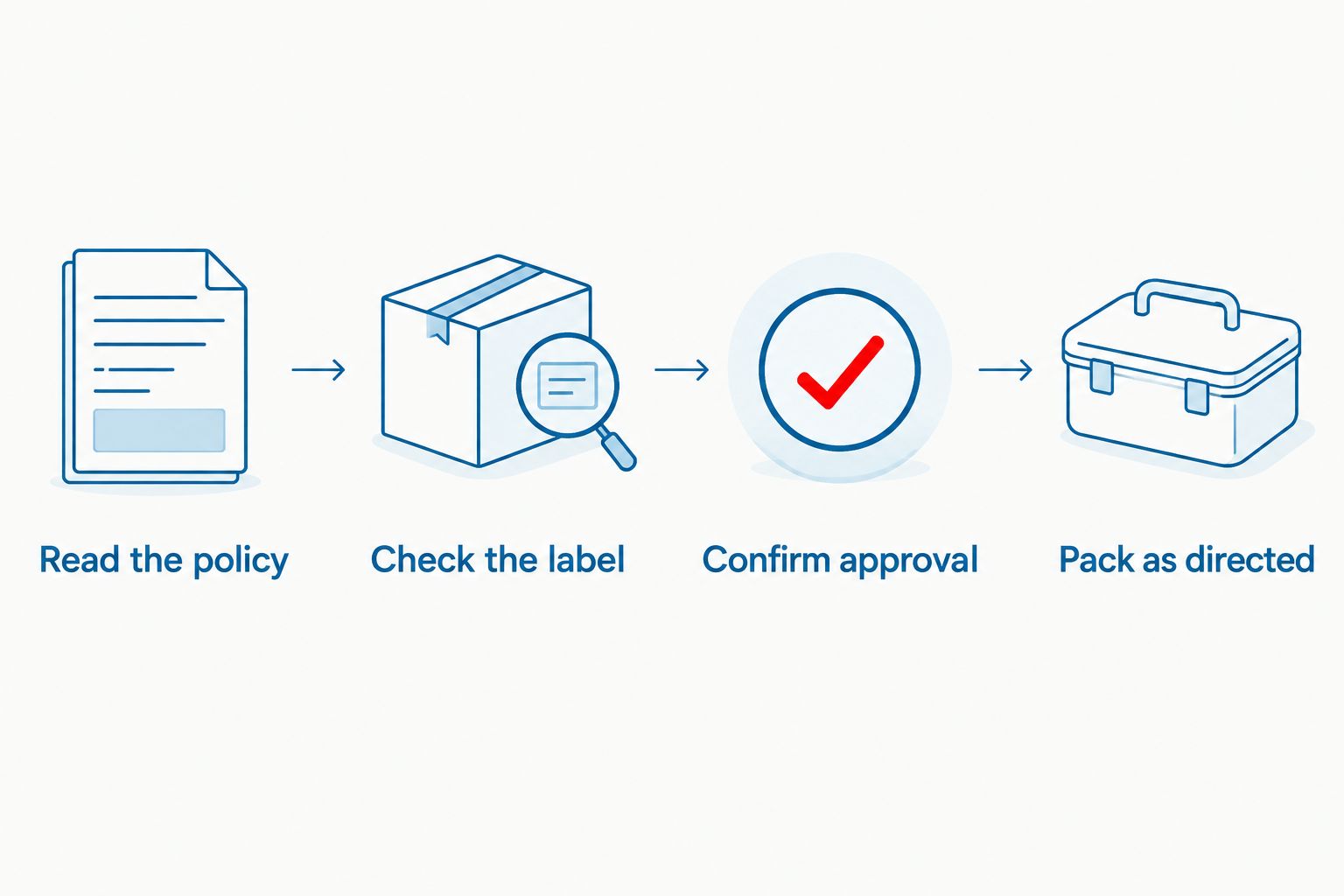
The classroom approval check comes before the shopping list
Use this sequence for your 2026 preschool snack planning. It keeps the decision practical without treating a short ingredient list as a safety guarantee.
Read the policy
Ask for the preschool’s current written food policy. Clarify whether its restrictions cover peanuts, tree nuts, other allergens, shared-equipment statements, or particular packaging formats.
Do not substitute another parent’s interpretation for the school’s instructions. A snack accepted in one classroom is not automatically accepted in another.
Check the label
Make 2 label checks: the ingredient list and the allergen information. Read the actual package rather than relying only on a product name or an older shopping note.
In the United States, precautionary statements such as shared-facility warnings are voluntary. Their absence is not proof that a product was made without allergen cross-contact; seek manufacturer information when the school’s policy requires that detail.
Confirm approval
Give the teacher the exact product information before classroom snack day. If the school needs additional manufacturing details, resolve that question before buying snacks for the group.
Approval should apply to the product you plan to send, not simply to “fruit snacks” as a category. Recheck when the product or packaging information changes.
Pack as directed
Follow the preschool’s instructions about sealed packages, containers, labels, and portions. Keep the snack separate from foods that conflict with classroom rules.
For a child with a food allergy, follow the family’s allergy plan and the preschool’s procedures. Do not offer an unapproved replacement because it looks similar.
Packing fruit crisps for a real preschool morning
A useful 2026 packing routine starts the evening before, not at the classroom door. Set aside 1 snack bag if that matches the teacher’s instructions, and keep the identifying package available.
Freeze-dried fruit absorbs moisture after opening, which affects its crispness. Follow the package’s storage directions and avoid contact with wet foods or condensation.
- Keep it dry: Separate fruit crisps from cut fruit, yogurt, and anything likely to leak.
- Protect the pieces: Avoid putting a heavy drink container on top of the snack.
- Keep information together: Retain the label in the format the preschool requests.
- Follow serving guidance: Let the school’s routine and the child’s needs determine how the snack is served.
An adult should assess the actual pieces for the child’s eating abilities and supervise snack time. “Freeze-dried” does not mean every piece is suitable for every preschooler, and crunchiness is not a safety guarantee.
No added sugar is not the same as sugar-free
Naturesturn describes its freeze-dried fruit snacks as 100% fruit with no added sugar. Fruit contains naturally occurring sugar, so these snacks should not be described as sugar-free.
Keep that distinction clear when sharing snack information with teachers or other parents. An ingredient claim answers what was added; it does not answer every question about nutrition, allergens, or suitability.
For your 2026 snack notes, copy relevant wording from the current package rather than shortening it into a different claim. “No added sugar” should stay exactly that—not “no sugar,” and not shorthand for classroom approval.
How these options are ranked
This 2026 ranking uses the criteria above: classroom acceptance first, then current information, texture suitability, flavor preference, and practical packing. Strawberry is the default flavor shortlist; apple and mango serve distinct existing preferences.
The order is not based on taste-test scores, nutritional superiority, or verified differences in nut-related manufacturing practices. Choose the approved option the child will comfortably eat, even when it sits lower in the list.
Which fruit snack should you choose?
Start with strawberry crisps if you need a berry-focused option to review. Choose apple for a child who regularly prefers apples, or mango for a child who already enjoys tropical fruit.
For Naturesturn freeze-dried fruit snacks, the useful starting facts are the fruit-based format and no-added-sugar positioning. The final classroom decision belongs to the preschool’s policy and the child’s individual needs—not the ranking number.
If approval is unresolved, wait. A different flavor does not solve an unanswered allergen question.
FAQ
What are the best nut-free snacks for a preschool classroom?
The best nut-free snacks are exact products that meet the preschool’s allergy policy and suit the children eating them. For freeze-dried fruit, shortlist a familiar flavor, then review current ingredients, allergen information, and packaging requirements before sending it.
Are Naturesturn freeze-dried fruit snacks automatically nut-free?
A 100% fruit description does not automatically establish nut-free manufacturing or classroom acceptance. Check the current package and obtain any additional manufacturer information required by the preschool.
Does peanut-free mean the same thing as nut-free?
No. Peanuts and tree nuts are different allergen categories, so ask the preschool exactly which foods and manufacturing statements its policy covers.
Does no added sugar mean fruit crisps are sugar-free?
No. Fruit contains naturally occurring sugar, so no added sugar and sugar-free are different claims. Use the wording on the current product label.
Are freeze-dried fruit pieces suitable for every preschooler?
No snack texture is suitable for every child. An adult should assess the actual pieces against the child’s eating skills, follow any feeding guidance, and supervise eating.
Can I send fruit crisps in a reusable snack container?
Use a reusable container only if the preschool allows it. Some classroom procedures require original packaging so staff can review the product information; follow the school’s instructions.
Which freeze-dried fruit flavor should I try first?
Start with a fruit the child already enjoys. Strawberry, apple, and mango are preference-based options, but liking fresh fruit does not guarantee acceptance of the freeze-dried texture.
One last thing
Keep a photo of the approved package, not just the flavor name. That makes your next 2026 shopping check more useful: you can compare the exact product and label instead of remembering only “the strawberry snack.”
Still read the new package before sending it. A saved photo is a shopping aid, not a substitute for current information.