


Best no added sugar snacks for kids' lunchboxes in 2026
Editorial Team
Best overall: freeze-dried fruit crisps for ready-to-pack crunch. Best for fresh fruit fans: a whole apple or easy-peel orange. Best for a spoonable snack: plain yogurt. Naturesturn makes no added sugar snacks from real fruit; this 2026 lunchbox guide compares them with everyday options that fit different packing routines.
TL;DR
- Naturesturn freeze-dried fruit crisps win for parents wanting ready-to-pack, no added sugar snacks without refrigeration.
- Plain yogurt, fresh fruit, and unsweetened applesauce offer different textures for school snacks.
- No added sugar does not mean sugar-free; fruit and milk contain naturally occurring sugars.
- Check current ingredients, allergen information, and school rules before packing any snack.
Why this matters
A snack that looks good on the package still has to work at school. Your child needs to recognize it, open it, and enjoy the texture when snack time arrives—not just when you pack it.
For your 2026 lunchbox routine, start with the practical question: does this snack need cooling, a spoon, peeling, or protection from a heavy water bottle? Then check the ingredients. No added sugar is one useful filter, not a complete judgment about a food.
What makes the best no added sugar snacks?
These criteria put everyday lunchbox needs ahead of front-of-package promises:
- Clear ingredients: Choose foods whose ingredients match what you intend to pack. Honey, syrups, and added sugars still count as added sugar.
- A familiar texture: Crisp, creamy, juicy, and crunchy are different experiences. Match the snack to what your child comfortably eats.
- A workable packing method: Shelf-stable fruit and refrigerated yogurt require different plans. Follow each product's storage instructions.
- Manageable packaging: Make sure your child can handle the container or wrapper without turning snack time into an opening project.
- School suitability: Check current allergen information and classroom rules rather than assuming a short ingredient list guarantees suitability.
The strongest choice for 2026 is the one that passes all these checks for your child. A different family can reasonably choose a different winner.
Best lunchbox snacks at a glance
The options below each fill a different job. For packaged foods other than the specified fruit crisps, choose a version whose current label confirms no added sugar.
| Snack | Best for | Standout feature | Key limitation |
|---|---|---|---|
| Freeze-Dried Fruit Crisps Lunchbox Snack Variety Pack | Ready-to-pack fruit crunch | Strawberry, apple, and pear in small single-serve bags | Fragile pieces need protection from crushing |
| Whole fresh fruit | Children who prefer juicy fruit | Familiar fruit in its original form | Peels, cores, and ripeness need consideration |
| Plain unsweetened yogurt | Spoonable snacks | Creamy texture without a sweetened flavor base | Needs cold storage and a spoon |
| Unsweetened applesauce | Children who prefer smooth fruit | Smooth texture without crisp or chewy pieces | Requires suitable packaging and spill planning |
| Prepared vegetables | Savory crunch | A change from sweet-tasting snacks | Requires preparation and age-appropriate cutting |
| Plain cheese | A savory refrigerated option | Different flavor and texture from fruit | Contains milk and needs cold storage |
1. Freeze-dried fruit crisps: best for ready-to-pack fruit crunch
Naturesturn freeze-dried fruit crisps are the best no added sugar snacks here for parents who want ready-to-pack fruit without refrigeration. The Lunchbox Snack Variety Pack includes strawberry, apple, and pear in small single-serve bags made for school lunches.
These are crisp fruit pieces, not chewy fruit candy. The brand's fruit snacks are made with 100% fruit and no added sugar, so naturally occurring fruit sugar is still present.
Freeze-dried fruit crisps pros:
- No washing, slicing, or refrigeration before packing.
- Individual bags keep different flavors separate.
- Crisp texture offers a different experience from fresh fruit.
Freeze-dried fruit crisps cons:
- Light pieces can crumble under heavier lunchbox items.
- The dry, crisp texture will not suit every child.
Best for: Parents who want a fruit snack they can put directly into a lunchbox. Keep the bag away from leaking containers, and let your child try the texture at home first.
Verdict: Buy for convenient fruit crunch; skip if your child dislikes dry textures.
2. Whole fresh fruit: best for children who prefer juicy fruit
A whole apple or easy-peel orange works well when your child likes fresh fruit and can manage it independently. Fresh fruit contains naturally occurring sugar without needing added sweeteners.
Choose the fruit around your child's eating skills, not just what fits in the bag. A whole apple is convenient only if your child can comfortably bite it; an orange works better when peeling is manageable or help is available.
Whole fresh fruit pros:
- No ingredient list to sort through for an unprocessed piece of fruit.
- Juicy texture contrasts with dry lunchbox foods.
- Whole fruit can travel in a separate lunchbox compartment.
Whole fresh fruit cons:
- Peels and cores need somewhere to go.
- Ripeness and bruising affect the eating experience.
Best for: Children who already enjoy whole fruit and can handle the peel, skin, or core. Wash fruit before packing, and choose age-appropriate forms for younger children.
Verdict: Buy when familiar fresh fruit is what your child actually enjoys.
3. Plain unsweetened yogurt: best for a spoonable snack
Plain unsweetened yogurt offers a creamy alternative to crisp snacks. Choose an unflavored version and check the Nutrition Facts panel rather than assuming every yogurt cup has no added sugar.
Milk naturally contains lactose, so plain dairy yogurt is not sugar-free. If your child wants fruit alongside it, pack the fruit separately so they can decide whether to mix it in.
Plain unsweetened yogurt pros:
- Smooth texture suits children who prefer spoonable foods.
- Works by itself or with a separate fruit portion.
- A plain base leaves you in control of additions.
Plain unsweetened yogurt cons:
- Needs safe cold storage until eaten.
- Dairy yogurt contains milk, and spills require cleanup.
Best for: Children who like yogurt without a sweetened flavor base and have a reliable cold-packing setup. Include a spoon your child can use and a container they can open.
Verdict: Buy if cold storage and spoon use are already part of your routine.
4. Unsweetened applesauce: best for smooth fruit texture
Unsweetened applesauce gives you a fruit option without crunchy pieces. Check the ingredients and added-sugars line, because applesauce products differ and a fruit-forward package is not enough to confirm the recipe.
A cup works for a child who comfortably uses a spoon. A pouch changes the opening and eating experience, so practice with the actual package before sending it to school.
Unsweetened applesauce pros:
- Smooth consistency offers an alternative to fresh or freeze-dried fruit.
- Packaged formats can reduce preparation.
- Apple flavor is easy to keep consistent across snack days.
Unsweetened applesauce cons:
- Cups require a spoon and spill awareness.
- Opened products need storage according to their labels.
Best for: Children who prefer smooth fruit over pieces. Choose packaging based on your child's skills and the school's rules, not on convenience for the person packing alone.
Verdict: Buy for smooth-fruit fans; skip formats your child cannot manage independently.
5. Prepared vegetables: best for a savory crunch break
Vegetables give your lunchbox a change from sweet-tasting snacks. Choose familiar vegetables and prepare them in shapes and textures appropriate for your child's age and eating abilities.
Hard raw pieces are not suitable for every child. For younger children, follow age-appropriate food preparation guidance instead of assuming that smaller pieces automatically solve every concern.
Prepared vegetables pros:
- Savory flavors add variety to a fruit-heavy routine.
- You control what goes into the container.
- Separate compartments keep vegetables away from dry snacks.
Prepared vegetables cons:
- Washing, cutting, and suitable storage take planning.
- Hard textures require particular care for younger children.
Best for: Children who already enjoy the vegetables you plan to send. If you add a dip, check its ingredients separately; the vegetable's ingredients do not tell you what is in the dip.
Verdict: Buy familiar vegetables and prepare them safely; skip untested hard textures at school.
6. Plain cheese: best for a savory refrigerated option
Plain cheese gives children a different flavor and texture from fruit. Check the specific product's ingredients and Nutrition Facts panel, especially when choosing flavored or combined snack packs.
Cheese belongs in the refrigerated part of your packing plan. Keep it cold according to food-safety guidance and package instructions, and prepare pieces that suit your child's eating skills.
Plain cheese pros:
- Savory flavor breaks up a sweet-tasting snack rotation.
- Can be packed separately from fruit.
- Different forms let you choose a manageable eating format.
Plain cheese cons:
- Contains milk and is unsuitable for children with a milk allergy.
- Needs cold storage rather than an ordinary backpack pocket.
Best for: Children who enjoy cheese and can have milk products under their individual dietary needs and school rules. Do not treat a fruit-and-cheese pairing as shelf-stable just because the fruit is.
Verdict: Buy when milk is suitable and you can keep the cheese cold.
Make familiar flavors your starting point
Start with a fruit your child already likes before introducing an unfamiliar texture. A strawberry fan might enjoy strawberry crisps, but liking fresh strawberries does not guarantee liking the freeze-dried version.
When choosing healthy snacks for picky eaters, familiarity and choice belong in the plan alongside ingredient checks. Offer the new snack at home without pressure, and let your child describe what they notice: crisp, juicy, smooth, sweet, or tart.
Keep the school-day choice familiar while you explore other foods outside the lunchbox. You do not need to turn a snack break into a taste test, and an unopened bag is feedback about the packing choice—not a reason to make bigger promises about the food.
A packing routine for 2026 school days
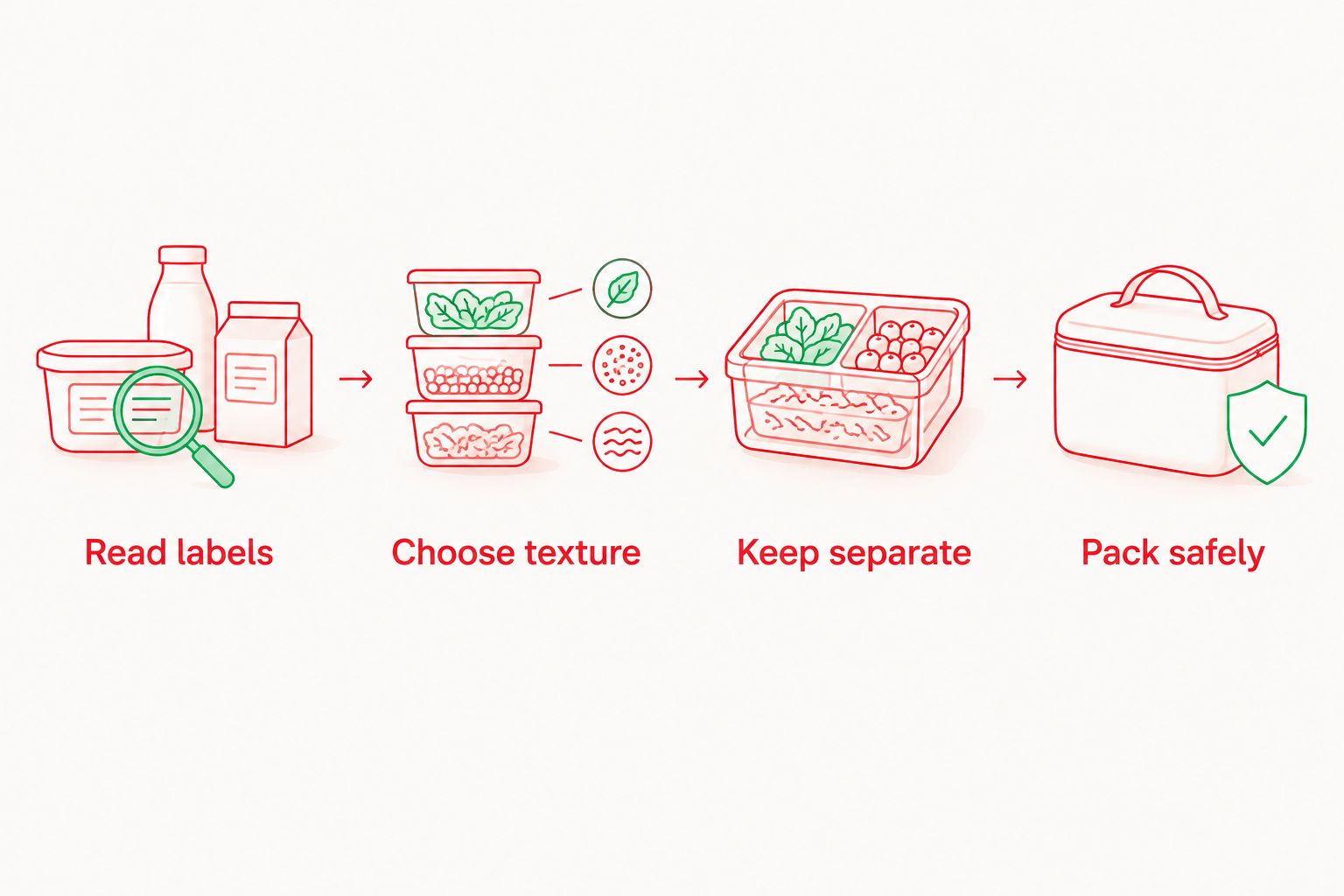
Use the same sequence whether you choose fruit crisps, yogurt, or vegetables:
- Read labels: Confirm ingredients, added sugars, allergen information, and storage directions on the current package.
- Choose texture: Select food your child can comfortably eat and packaging they can manage.
- Keep separate: Put crisp foods away from wet foods and protect fragile pieces from heavier items.
- Pack safely: Keep perishable foods cold and follow your child's individual food preparation needs.
This sequence separates two different decisions: whether a food fits your ingredient preferences and whether it works in that day's lunchbox. You need both answers before packing.
Practice opening the actual container at home. A snack that needs adult help is a different choice when your child eats in a classroom rather than at the kitchen table.
Choose a lunchbox pack or a tasting pack
For Naturesturn fruit snacks, choose the pack around your immediate task. The lunchbox option supplies strawberry, apple, and pear in small single-serve bags; the sampler offers 8 flavors, with 1 bag of each flavor.
| Pack | Best for | Main advantage | Main limitation |
|---|---|---|---|
| Freeze-Dried Fruit Crisps Lunchbox Snack Variety Pack | Packing known school-day flavors | Small bags of strawberry, apple, and pear | Limited to those flavors |
| Freeze-Dried Fruit Crisps Sampler Variety Pack | Exploring fruit preferences at home | Different flavors to compare | Includes unfamiliar flavors your child might not enjoy |
Choose the lunchbox pack for familiar flavors; choose the sampler for exploration. Neither choice replaces checking current labels and school policies.
Fruit crisps for packing or tasting

Strawberry, apple, and pear in small single-serve bags sized for school lunches. No sugar added.
$24.99

Eight fruit flavors to try, with one bag of each flavor.
$21.99
How these snacks rank
This 2026 ranking prioritizes ingredient clarity, preparation, texture, packaging, and school-day suitability. It is a packing comparison, not a nutritional score or a claim that every child should eat the same foods.
Naturesturn fruit crisps take the convenience slot because they need no refrigeration or preparation. Fresh fruit, yogurt, applesauce, vegetables, and cheese each earn a separate place for the eating experience they offer.
Which no added sugar snacks should you choose?
Choose freeze-dried fruit crisps when you want fruit without refrigeration or preparation. Choose whole fresh fruit when your child prefers juicy texture, or plain yogurt when a creamy snack and cold storage fit the day.
For the rest of 2026, keep your default simple: a familiar food, a checked label, and a packing method that works. Variety can happen across the week; every lunchbox does not need a new idea.
FAQ
What are the best no added sugar snacks for school lunchboxes?
Freeze-dried fruit crisps are the best choice here for ready-to-pack fruit without refrigeration. Whole fresh fruit, plain unsweetened yogurt, unsweetened applesauce, vegetables, and plain cheese suit other textures and packing needs.
Does no added sugar mean a snack is sugar-free?
No added sugar does not mean sugar-free. Fruit contains naturally occurring sugar, and dairy milk contains lactose; check total sugars and added sugars separately.
Are Naturesturn fruit crisps made with added sugar?
Naturesturn fruit crisps have no added sugar. The fruit still contains naturally occurring sugars, so the snacks are not sugar-free.
Is freeze-dried fruit better than fresh fruit for a lunchbox?
Freeze-dried fruit is more convenient when you want fruit without washing, slicing, or refrigeration. Fresh fruit is a different choice for children who prefer a juicy texture; neither texture suits every child.
Can I pack yogurt without an ice pack?
Yogurt needs safe cold storage until your child eats it. Use an appropriate insulated packing setup with cold sources and follow food-safety guidance rather than treating yogurt as shelf-stable.
Are snacks with short ingredient lists safe for every classroom?
A short ingredient list does not establish classroom suitability or allergy safety. Check the current package, relevant manufacturer information, your child's needs, and school policies.
How do I keep fruit crisps crunchy in a lunchbox?
Keep fruit crisps dry and separate from wet foods. Protect the package from leaks and heavy items, and follow its storage instructions after opening.
One last thing
Test the package as well as the snack. Let your child open it, eat from it, and deal with the wrapper or container at home. That small rehearsal tells you something an ingredient panel cannot: whether the snack works independently at school.