


How to send allergy-friendly snacks to a shared playdate
Editorial Team
Send allergy friendly snacks to a shared playdate by asking the host and the child’s parent what is acceptable, checking the exact package, and keeping approved food separate until an adult serves it. A familiar brand, a simple ingredient list, or a nut-free claim does not make a snack suitable for every child; the family’s instructions come first.
TL;DR
- Choose allergy friendly snacks with the child’s parent, not from a front-of-package claim alone.
- Keep approved playdate snacks in their original packaging so caregivers can check the label.
- Nature’s Turn offers 100% fruit snacks; suitability still depends on the child’s allergies and current product information.
- Separate lunchbox snacks, wash hands, and avoid shared bowls or utensils.
How do you send allergy-friendly snacks to a shared playdate?
Use this 2026 playdate checklist before buying or packing anything. The safest decision is an agreed plan, not a snack chosen by guesswork. If the parent asks you not to bring food, follow that request.
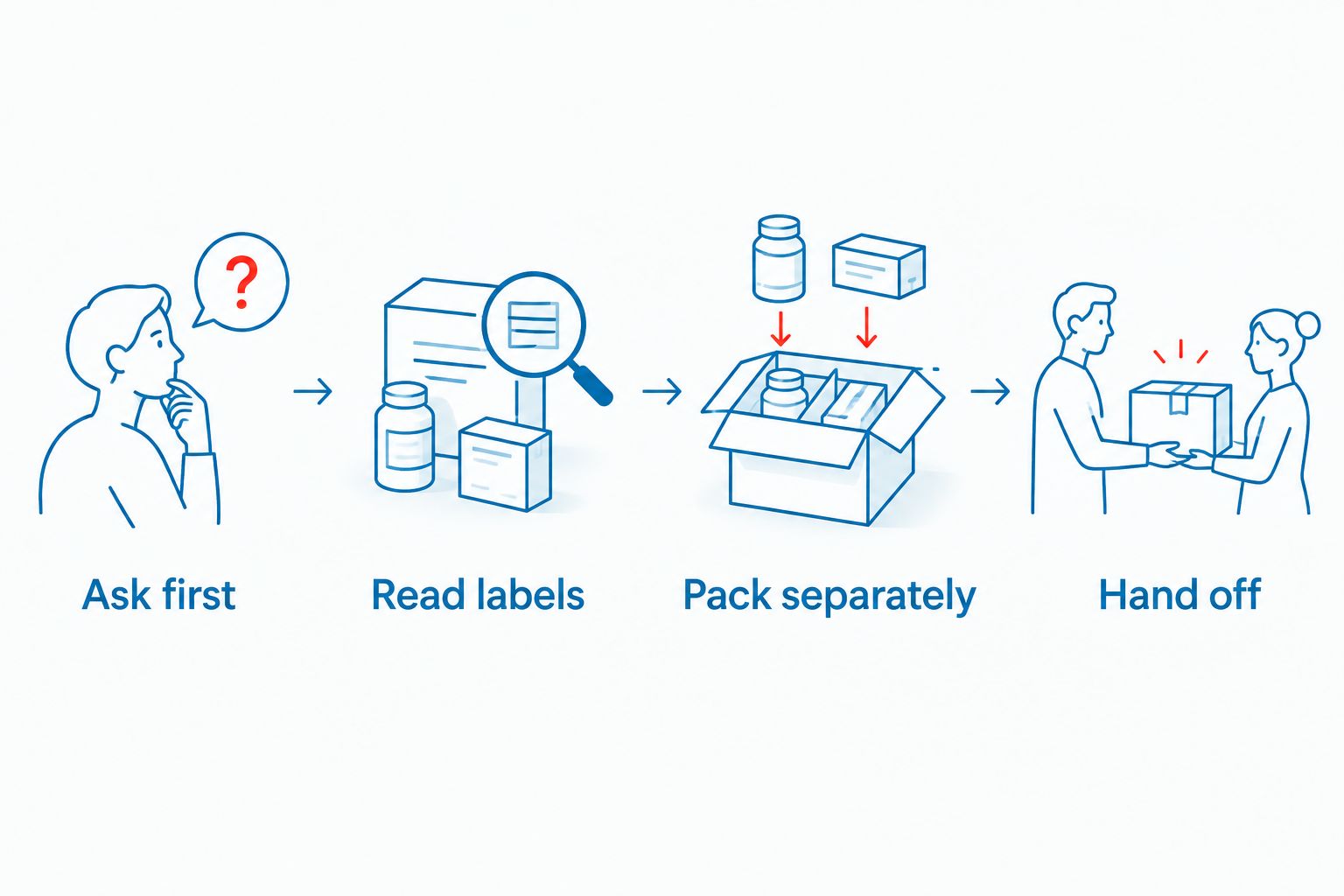
- Ask first. Confirm the specific foods to avoid, whether everyone will eat the same snack, and who will serve it. Ask whether the family wants to supply the child’s food instead.
- Read labels. Check the ingredients and allergen information on the actual package you plan to send. Share clear photos with the parent when they request them, and ask about anything you do not understand.
- Pack separately. Keep accepted snacks sealed and apart from other food. If preparation is needed, use washed hands, clean surfaces, and clean utensils.
- Hand off. Give the food directly to the supervising adult, with its packaging and the agreed instructions. Do not leave children to sort out which snack belongs to whom.
For families considering Nature’s Turn, the brand sells freeze-dried fruit snacks made with 100% fruit and no added sugar. Those facts describe the food; they do not replace an allergy check.
Why this matters
At a shared playdate, your snack can become someone else’s snack quickly. Children trade bites, reach into bowls, and move between food and toys, so choosing an acceptable ingredient list is only part of the job.
Food allergy reactions can be serious. A parent’s instructions about food preparation, packaging, or sharing are practical boundaries—not preferences to work around because another snack looks similar.
For your 2026 snack routine, keep two questions separate: does this food meet the child’s needs, and can the adults serve it as agreed? You need a clear answer to both.
Which snack format fits the agreed plan?
Start with the family’s accepted foods, then choose a format. No format guarantees allergy safety, and none replaces adult supervision or age-appropriate food preparation.
| Snack format | Best for | Practical advantage | Limitation to check |
|---|---|---|---|
| Original, sealed package | A parent who wants to inspect the exact label | Keeps ingredients and product information with the food | The label still needs review; sealed does not mean allergen-free |
| Fresh fruit prepared at home | A family that has approved the fruit and preparation | Lets you send an agreed fruit in an appropriate form | Fruit allergies, preparation surfaces, and age-appropriate cutting still matter |
| Homemade snack | A family that explicitly accepts your recipe and kitchen practices | You can share the full recipe | A recipe alone does not describe possible cross-contact in the kitchen |
| Food supplied by the child’s parent | A family that prefers direct control over snack selection | Avoids substitutions by another household | The host still needs to prevent sharing and follow serving instructions |
Choose the option the parent accepts, not the one that looks most convenient on paper. If homemade food is outside their comfort level, an ingredient explanation is not a reason to push it.
Read the whole label, not just the front
In the United States, federal labeling rules identify 9 major food allergens: milk, eggs, fish, crustacean shellfish, tree nuts, peanuts, wheat, soybeans, and sesame. People can also be allergic to foods outside that list, including particular fruits.
Check the full ingredient list and any allergen statement on the package. A separate “Contains” statement is not present on every label, so do not use its absence as your only check.
Precautionary wording such as “may contain” or “made in a facility” needs the parent’s attention. These statements are voluntary in the United States; their absence is not proof that cross-contact cannot occur.
Use this label-reading routine in 2026:
- Read the package you will actually send, even if you have bought the snack before.
- Check the exact flavor rather than assuming every product from a brand is the same.
- Keep the wrapper or box available for the supervising adult.
- Ask the parent to resolve uncertainty; contact the manufacturer when more information is needed.
Do not turn “vegan,” “organic,” “gluten-free,” or “natural” into a general allergy verdict. Each term addresses something different, and none means suitable for every allergy.
Why allergy-friendly snack choices vary
There is no universal playdate snack list. The right choice changes with the child, the food, and how it will be served.
- The specific allergy. Avoiding peanuts does not address milk, sesame, fruit, or another child’s allergens.
- The family’s cross-contact requirements. Ask how the parent handles shared equipment and precautionary label statements rather than deciding for them.
- The exact product. Ingredients and allergen information need checking for the specific package and flavor.
- The child’s age and eating skills. An accepted ingredient can still need a different texture, shape, or preparation.
- The setting. A school, childcare center, or organized play space can have food rules beyond the host’s household rules.
- The serving plan. Individual portions, a shared bowl, and a help-yourself table create different opportunities for food to mix.
A snack approved for one child or one event is not automatically approved for another. Keep any saved snack list as a conversation starter, not permanent permission.
Pack food so the plan survives the trip
Keep original packages intact when that is the agreed approach. Put them in a separate clean bag, away from open foods, and hand them to the host rather than setting them beside a communal snack bowl.
For food prepared at home, wash hands with soap and water for at least 20 seconds before handling it. Clean the preparation surface and utensils, and prevent contact with foods the child must avoid. Hand sanitizer does not replace washing to remove food allergens.
If the parent approves repacking, use 2 separate containers when sending an approved snack alongside a different snack for another child. Keep the foods separate during preparation too; separate containers cannot undo earlier contact.
Make the handoff easy:
- Tell the adult which food has been approved and for whom.
- Leave the ingredient information with the food.
- Confirm whether children will eat together or have individually assigned portions.
- Remind the adult about any instruction against swapping or sharing.
In your 2026 packing routine, skip last-minute substitutions. A different flavor or similar-looking snack needs the same check as the original choice.
Where do freeze-dried fruit snacks fit?
Nature’s Turn freeze-dried fruit snacks are best for families seeking a 100% fruit option with no added sugar. That is a useful ingredient preference, not an allergy-safety claim.
The practical appeal is straightforward: freeze-dried fruit offers a crisp fruit option for snack packing. The limitation is just as important: fruit itself can be an allergen, and a short ingredient list does not answer questions about manufacturing cross-contact.
Before sending a package, ask the parent to review the current product information and accept the specific fruit and texture. Do not assume that a child who eats one fruit can eat every fruit flavor, or that a crisp texture suits every age.
“No added sugar” also does not mean “sugar-free.” Fruit contains naturally occurring sugar. Keep that distinction clear when discussing snacks with another parent, especially when they are asking about ingredients rather than allergies.
What should you ask the host before bringing snacks?
Ask which foods are accepted, whether outside food is welcome, and who will supervise snack time. Confirm whether the child’s parent needs to approve the exact package before you bring it.
You do not need a long group discussion about a child’s medical history. A private message can cover the practical details: accepted foods, preparation requirements, sharing rules, and the responsible adult.
For a recurring playdate in 2026, confirm the plan again when the snack, setting, or supervising adult changes. Do not quietly replace the agreed food because the usual package is not on hand.
Can you send a separate snack instead of one for everyone?
A separate snack works when the child’s parent and host agree on how it will be served. It does not work as a substitute for supervision if children are free to swap food.
Keep the social side simple. Children can sit together and enjoy the same break without eating identical foods, provided the family’s plan allows it. Avoid calling one child’s snack “special” in a way that invites questions or unwanted sharing.
If the host prefers a food-free playdate, bring no snack. There is no need to solve a food-sharing problem that the group has already chosen to avoid.
What if you cannot confirm a snack is acceptable?
Do not send an unapproved snack for the child with allergies. Ask whether their parent would rather provide food or whether the playdate can happen without shared snacks.
An unanswered message is not approval. Neither is another parent saying that a food was fine at a previous party; the child’s caregiver needs to make the decision for this event.
If a child develops symptoms after eating, follow their allergy emergency action plan and get emergency help when indicated. When anaphylaxis is suspected, use prescribed epinephrine promptly according to the plan and call emergency services; do not wait for symptoms to settle.
FAQ
What are the best allergy friendly snacks for a shared playdate?
The best allergy friendly snacks are the exact foods the child’s parent has approved for that playdate. Keep the packaging available and agree on preparation, serving, and sharing before bringing food.
Are fruit snacks safe for children with nut allergies?
Fruit snacks are not automatically suitable for a child with a nut allergy. Check the exact ingredients and allergen information, and ask the parent about cross-contact requirements.
Can I bring homemade snacks if I list every ingredient?
Bring homemade snacks only when the child’s parent accepts both the recipe and your preparation practices. An ingredient list does not describe possible cross-contact from utensils, surfaces, or other foods in the kitchen.
Does no added sugar mean a fruit snack is sugar-free?
No added sugar does not mean sugar-free because fruit contains naturally occurring sugar. Sugar wording also does not establish whether a snack meets a child’s allergy requirements.
Can I pack Nature’s Turn freeze-dried fruit snacks for a playdate?
Pack Nature’s Turn freeze-dried fruit snacks only after the child’s parent accepts the specific product and current label information. The brand’s 100% fruit and no added sugar claims do not establish allergy suitability.
Should I open snack bags before sending them?
Leave snack bags sealed when the parent or host wants to inspect the original package. If they approve repacking, use clean preparation practices and keep the original ingredient information available.
What if the host says the playdate is nut-free?
Ask the host what nut-free means for that event and confirm the child’s individual requirements with their parent. A nut-free rule does not address other allergens or settle every question about cross-contact.
One last thing
Make your backup plan simpler, not more adventurous. Before leaving, agree on what happens if the snack is forgotten or the label raises a question: the parent supplies food, the host serves an already approved option, or the group skips shared snacks.
Whether you pack Nature’s Turn or another accepted food, do not let a hungry moment become a rushed ingredient decision. The useful thing to send alongside the snack is a clear plan.