


Can freeze-dried fruit replace sugar in baking?
Editorial Team
Freeze-dried fruit cannot directly replace sugar in baking: it adds natural sweetness and fruit flavor, but it does not reproduce all of sugar’s effects on moisture, spread, browning, and texture. For your 2026 family baking plans, use a recipe developed with freeze-dried fruit rather than swapping fruit powder for the sugar in a favorite cake or cookie.
TL;DR
- Can freeze-dried fruit replace sugar in baking? Not directly; fruit powder changes more than sweetness.
- Keep a tested recipe’s sugar unless the recipe gives a specific fruit-based substitution.
- No added sugar does not mean sugar-free: freeze-dried fruit contains naturally occurring fruit sugars.
- Nature’s Turn freeze-dried fruit suits parents seeking fruit-only ingredients for snacks and recipe-directed baking.
Can freeze-dried fruit replace sugar in baking?
Freeze-dried fruit is a fruit ingredient, not a direct substitute for granulated sugar. Grinding it into powder changes its size, not its composition. You still have fruit sugars, fiber, acids, and other fruit solids—not simply sugar crystals.
That distinction matters when you measure. A spoonful of fluffy fruit powder does not behave like a spoonful of granulated sugar, and matching their weight does not make them interchangeable either.
If you are choosing a baking ingredient, Freeze-Dried Strawberry Crisps contain strawberries only. That makes the ingredient list straightforward, but it does not establish a sugar-replacement amount.
| Ingredient | Best for | What it contributes | Main limitation |
|---|---|---|---|
| Granulated sugar | Recipes developed around its baking functions | Sweetness, bulk, moisture retention, and effects on browning and texture | Does not provide fruit flavor or fruit fiber |
| Freeze-dried fruit powder | Fruit flavor throughout a recipe developed for it | Natural fruit sugars, color, flavor, fiber, and acidity | Does not duplicate granulated sugar’s behavior |
| Freeze-dried fruit pieces | Fruit pockets, mix-ins, and crisp toppings | Recognizable fruit pieces and contrasting texture | Soften when exposed to moisture; do not sweeten a batter evenly |
Why this matters for family baking
A lunchbox muffin needs to do more than taste sweet straight from the oven. It also needs a texture your child enjoys after cooling and packing, so removing sugar without adjusting the recipe creates a different baking problem from simply adding fruit flavor.
For your 2026 school-day baking routine, separate those goals. If you want strawberry flavor, choose a strawberry recipe. If you want less added sugar, choose a recipe developed with less added sugar rather than expecting fruit powder to handle both jobs.
Nature’s Turn freeze-dried fruit is best for parents seeking fruit-only ingredients for snacks and recipe-directed baking. Its simplicity is useful; it is not evidence that you can remove the sugar from any recipe.
What sugar does that fruit powder does not copy
Sugar has several jobs in a mixing bowl. Which job matters most depends on what you are making and how you combine the ingredients.
- Sweetness: Fruit contributes sweetness alongside its own flavor and acidity. Tart berries do not taste like plain sugar.
- Moisture and tenderness: Sugar interacts with water and affects how a baked item sets. Removing it changes more than the taste.
- Spread and structure: Cookie spread and the texture of a cake depend partly on the recipe’s sugar balance.
- Aeration: In recipes that cream butter and granulated sugar, sugar crystals help incorporate air. Fruit powder does not recreate that crystal structure.
- Browning: Sugar influences browning, but fruit powder brings a different mixture of sugars and other solids. Matching the color does not establish equivalent results.
This is why a cookie that looks browned can still have an unexpected texture. Judge a finished experiment by its cooled crumb, spread, and flavor—not color alone.
Fruit powder: best for flavor throughout
Fruit powder distributes flavor more evenly than large pieces. It is useful when a recipe calls for fruit flavor without the amount of water that fresh fruit or purée would introduce.
The trade-off is that powder becomes part of the recipe’s dry-ingredient balance. Adding it freely can change how a batter or dough handles moisture, while removing sugar at the same time adds another variable.
For a 2026 baking project with children, start with a recipe that explicitly lists freeze-dried fruit powder. Follow its measuring method, including whether the fruit is weighed before grinding or measured afterward.
Best move: use fruit powder for a recipe’s specified fruit component, not as an improvised sugar replacement. Do not assume a powder amount also tells you how much sugar to remove.
Fruit pieces: best for pockets of flavor
Crushed or whole freeze-dried fruit pieces give you a different result from powder. They create distinct bites of fruit rather than distributing their sweetness throughout the mixture.
Their texture also changes in a moist batter. A crisp piece eaten from the bag will not necessarily remain crisp after baking inside a muffin, and a topping will soften when it touches something moist.
If crunch is the goal, keep the fruit separate until serving or follow a recipe designed around a crisp finish. That is especially useful when you are packing a baked item for later rather than eating it immediately.
Best move: choose pieces for fruit texture and powder for distributed flavor. Neither form supplies a universal instruction for reducing sugar.
Why baking results vary
There is no dependable all-purpose conversion because the fruit, the recipe, and the preparation method all matter. These are the main differences to check before changing a batch:
- Fruit choice: Strawberry brings a sweet-tart flavor; banana brings a different flavor balance. Equal measures do not produce identical results.
- Particle size: Fine powder mixes through a batter differently from coarse crumbs or larger pieces.
- Recipe type: A creamed-butter cookie, a stirred muffin, and a whipped-egg cake depend on different mixing and setting processes.
- Liquid ingredients: Milk, eggs, purée, and other moist ingredients affect how dry fruit takes up moisture.
- Sugar’s role: Removing sugar from a recipe built around creaming is different from changing sweetness in an uncooked topping.
- Storage and serving: A crisp topping exposed to a moist baked item will not keep the same texture as fruit stored separately.
Change the fruit and reduce the sugar together, and you cannot easily tell which change caused a disappointing result. Keep your first experiment focused.
How should you try freeze-dried fruit in baking?
Start with a recipe written for freeze-dried fruit, then follow its instructions before making your own adjustments. That gives you a useful starting point instead of an untested substitution.
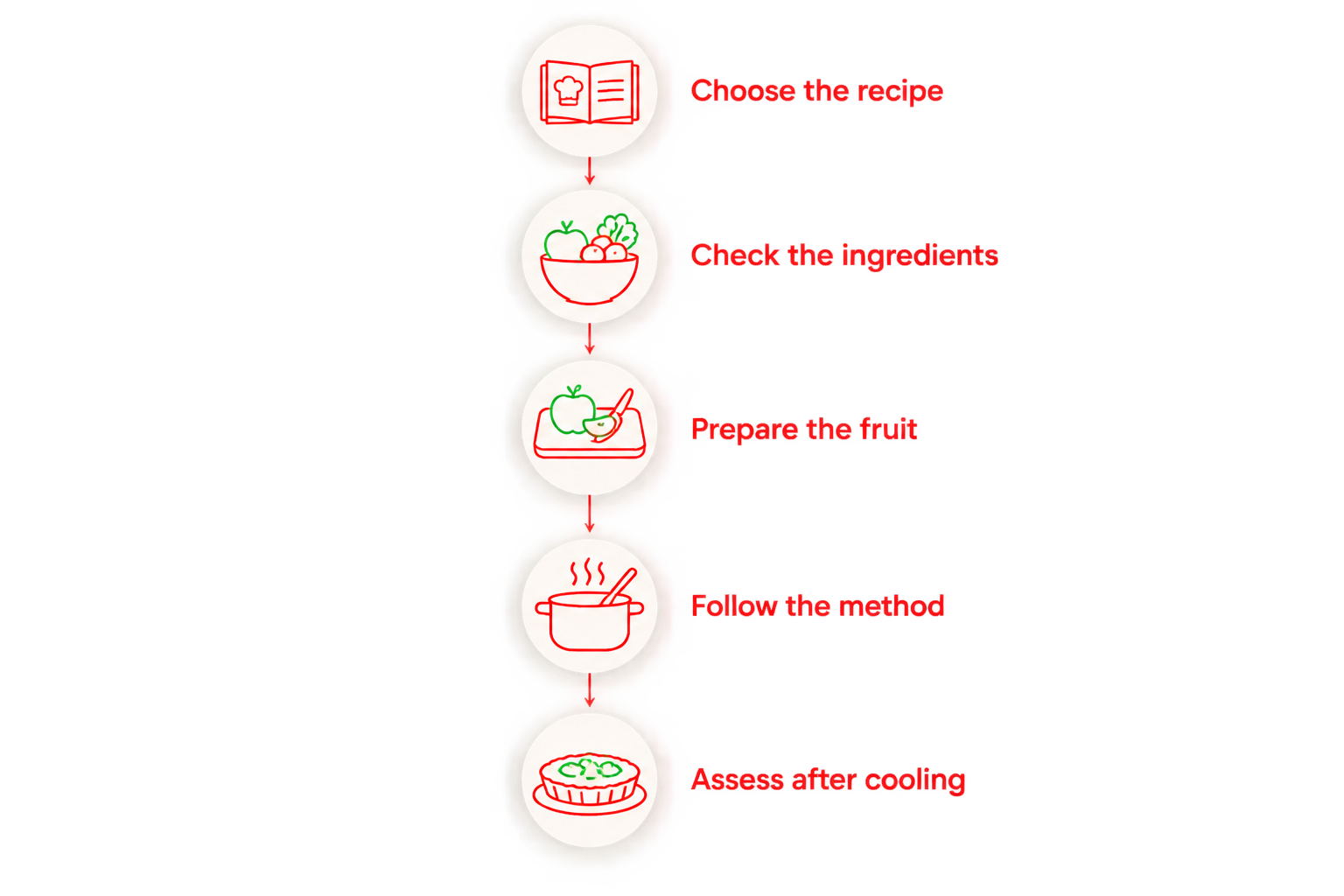
- Choose the recipe. Look for instructions that name freeze-dried fruit specifically, rather than fresh fruit, chewy dried fruit, or purée.
- Check the ingredients. Read the fruit’s current ingredient list and the recipe’s full ingredient list. A fruit-only ingredient does not make the finished recipe free of added sugar.
- Prepare the fruit. Grind, sift, or crush only as directed. Do not treat whole pieces and fine powder as equivalent measures.
- Follow the method. Keep the listed sugar, liquids, mixing sequence, and baking instructions for your first attempt.
- Assess after cooling. Check flavor and texture, then write down what you would change next time. Do not taste raw batter or dough.
For a weekend baking experiment in 2026, make something you can try at home before relying on it for a school event. Familiar ingredients do not guarantee a familiar finished texture, and a quiet taste test is easier than discovering an unwanted surprise in the lunchbox.
Which fruit flavor should you choose?
Choose the flavor the recipe names first. If the recipe allows alternatives, think about the taste your family enjoys rather than which fruit sounds like the strongest sweetener.
These Nature’s Turn options illustrate the difference between a single-fruit ingredient and a blend. Both contain naturally occurring fruit sugars; neither is a measured substitute for baking sugar.
| Product | Best for | Ingredient and flavor advantage | Limitation |
|---|---|---|---|
| Freeze-Dried Strawberry Crisps | Recipes calling for freeze-dried strawberries | Strawberries only, with a sweet-tart flavor | Not interchangeable with sugar; does not suit someone who must avoid strawberries |
| Freeze-Dried Strawberry & Banana Crisps | Recipes that specifically welcome both fruits | A strawberry-and-banana combination with nothing else | Adds banana as well as strawberry, so it is not equivalent to strawberry-only powder |
Read the current package before baking, particularly if you are preparing food for another family. Product ingredient simplicity and suitability for an individual child are separate questions.
Fruit ingredients to consider

Strawberries only, freeze-dried into light, crisp pieces with a sweet-tart crunch. No sugar added.
$14.99

Strawberries and bananas, freeze-dried into a light, crisp mix with nothing artificial.
$13.99
Does no added sugar mean sugar-free?
No added sugar does not mean sugar-free. Fruit naturally contains sugar, and freeze-drying removes water rather than removing the fruit’s sugar.
Keep the ingredient and the finished recipe separate in your thinking. Adding no-added-sugar fruit to a cake made with granulated sugar does not make that cake a no-added-sugar food.
For your 2026 pantry check, read both the ingredient list and the Nutrition Facts panel. Use the serving size printed on the package when reviewing total sugars and added sugars; do not compare unlike portions and assume they mean the same thing.
Can you use fruit powder instead of powdered sugar in frosting?
Fruit powder cannot directly replace powdered sugar in a conventional frosting. Powdered sugar provides sweetness and bulk, while fruit powder introduces fruit solids and acidity as well as flavor.
Use a frosting recipe developed with freeze-dried fruit and keep its sweetener instructions intact. Adding more fruit powder until a frosting looks thicker is not the same as following a balanced recipe.
Can you pack fruit-flavored baking for school?
You can pack a suitable fruit-flavored bake when its ingredients, storage needs, and texture fit your child and the school’s rules. The presence of freeze-dried fruit does not determine whether the finished food needs refrigeration.
Check the whole recipe, including eggs, dairy ingredients, fillings, and toppings. Cool baked items before packing, follow appropriate food-storage guidance, and check current school policies before sending anything intended for sharing.
FAQ
Can I replace all the sugar in cookies with freeze-dried fruit?
Do not replace all the sugar in a standard cookie recipe with freeze-dried fruit. Sugar affects spread, moisture, and texture, so use a recipe specifically developed for the change you want.
Is there a reliable conversion from sugar to freeze-dried fruit powder?
There is no universal conversion from sugar to freeze-dried fruit powder. Fruit type, grinding, and the recipe’s dependence on sugar all affect the result.
Will grinding freeze-dried fruit make it sweeter?
Grinding freeze-dried fruit does not add sugar. It distributes the fruit through a mixture more evenly, but the powder still contains the fruit’s sugars, fiber, and other solids.
Does freeze-dried fruit make baking sugar-free?
Freeze-dried fruit does not make baking sugar-free because fruit contains naturally occurring sugars. The finished bake also contains any sugar supplied by its other ingredients.
Are Nature’s Turn fruit crisps suitable for baking?
Nature’s Turn fruit crisps can supply freeze-dried fruit when their ingredients and preparation match a recipe’s instructions. Check the current label and do not treat the crisps as a direct sugar substitute.
Should I soak freeze-dried fruit before adding it to cake batter?
Soak freeze-dried fruit only when the recipe instructs you to. Soaking adds water and changes the ingredient’s texture, so it is not an automatic preparation step.
Are baked snacks made with fruit powder safe for every classroom?
Baked snacks made with fruit powder are not automatically suitable for every classroom. Check all ingredients, relevant allergen information, and current school rules before sharing food.
One last thing
Fruit flavor and sweetness are separate decisions. A strawberry bake can taste strongly of strawberries without fruit powder replacing the sugar that helps it bake properly.
If your child mainly wants that fruity crunch, you do not have to redesign a muffin recipe at all. Pack an appropriate fruit snack separately, or add a recipe-approved fruit topping at serving time, and keep the baking method you already trust.