


Freeze-dried dragon fruit for school snacks: a parent's guide
Editorial Team
For parents, freeze dried dragon fruit is dragon fruit with water removed through freeze-drying, used as a crisp, packable school snack. Unlike fresh fruit, it needs protection from moisture rather than peeling and cutting before you pack it.
TL;DR
- Naturesturn freeze-dried fruit snacks suit parents seeking 100% fruit and no added sugar; check each product’s current label.
- Try freeze dried dragon fruit at home before adding it to a school lunchbox.
- Keep fruit crisps sealed and separate from wet foods to protect their crunch.
- No added sugar does not mean sugar-free; fruit contains naturally occurring sugar.
Why freeze-dried fruit matters for parents
School snacks have to work beyond your kitchen. Your child needs to recognize the food, open its container, and eat it during the school’s snack routine. A fruit that looks interesting online is only useful if it works in that setting.
Freeze-dried fruit offers a different texture from fresh fruit: light and crisp rather than juicy. That difference is the reason to try it, and also the reason to introduce it at home first. A child who enjoys fresh dragon fruit does not automatically enjoy the dried version.
Naturesturn freeze-dried fruit snacks are best for parents seeking 100% fruit snacks with no added sugar. For the flavor covered here, start with the dragon fruit crisps and read the current product information before choosing.
Your 2026 school-snack checklist should begin with the school’s rules and your child’s needs—not a front-of-package claim. Simple ingredients help you understand a snack, but they do not establish that it is suitable for every child or every classroom.
How to choose and pack freeze dried dragon fruit
1. Check your school’s snack rules
Start with the school handbook, classroom instructions, or a direct question to the teacher. Find out whether snack time happens separately from lunch and whether children need to bring packaged food with ingredient information attached. Follow the policy rather than assuming that a fruit snack gets an automatic pass.
For your 2026 packing routine, keep those instructions somewhere easy to find. A classroom restriction changes what you pack even when a food is familiar at home. If your child has an allergy or a prescribed eating plan, use their care instructions alongside the school’s requirements.
Check these details before choosing a snack:
- Confirm the classroom’s food and allergen restrictions.
- Ask whether original packaging is required.
- Check whether children can bring reusable snack containers.
- Find out whether food sharing is prohibited.
- Review any individual care-plan instructions that affect snacks.
2. Read the ingredient list and serving information
Use the package in your hand as your first reference. Read the ingredient list, Nutrition Facts panel, allergen statement, and storage directions together. Front-of-package wording is useful, but it does not replace those details.
No added sugar is not the same as sugar-free. Fruit contains naturally occurring sugar, including after freeze-drying. Removing water does not turn fruit into a food without sugar, so avoid describing dragon fruit crisps that way to your child or school.
Naturesturn describes its freeze-dried fruit snacks as 100% fruit with no added sugar. When choosing a particular flavor, confirm its current label rather than carrying a claim from another bag across to it. The same habit applies when you buy a mixed-flavor box.
Use this label check:
- Read the full ingredient list for the exact flavor.
- Distinguish total sugars from added sugars.
- Look at the serving size before comparing packages.
- Read allergen and cross-contact information.
- Follow the printed storage instructions.
3. Introduce the crunch at home
Offer dragon fruit crisps during an ordinary snack at home, without making the first taste a school-day assignment. Let your child see, smell, and try the fruit while you are there. Keep a familiar food alongside it so the new flavor does not have to carry the whole snack.
Ask a practical question: do they like the crunch? That tells you more about lunchbox suitability than whether they think the package looks fun. Also watch how your child handles the pieces and follow age-appropriate feeding guidance; a crisp texture is not a universal safety guarantee.
If the flavor is not a favorite, leave it out of the next school snack. You can offer it again at home without turning an uneaten lunchbox into a daily experiment.
Try this introduction:
- Offer a small amount alongside a familiar snack.
- Let your child describe the texture in their own words.
- Check that the pieces suit your child’s eating abilities.
- Practice opening the bag or container together.
- Ask whether they would choose it for school.
4. Choose a portion and package your child can manage
Begin with what your child eats during a similar snack at home, then check it against the product’s serving information. A serving listed on a package helps you interpret the label; it is not an instruction that every child must finish that amount.
For a reusable-container approach, put the chosen portion into a clean, dry container that your child can open. Keep the original packaging available for ingredient questions. If the school requires the original bag, follow that rule instead of repacking.
Single-serve bags offer a simpler packing route when they suit your school’s policy. For scale, the catalog includes an Ultimate Variety Pack labeled 0.53 oz with 36 bags. Those package details describe the format, not the right portion for every child or a promise that every flavor will be eaten.
Make the package workable:
- Choose a portion using your child’s usual appetite and the label.
- Test the lid, zipper, or opening before school.
- Use a dry container when repacking is permitted.
- Keep ingredient information accessible.
- Avoid treating a larger bag as an automatic single serving.
5. Protect the crisps from moisture and crushing
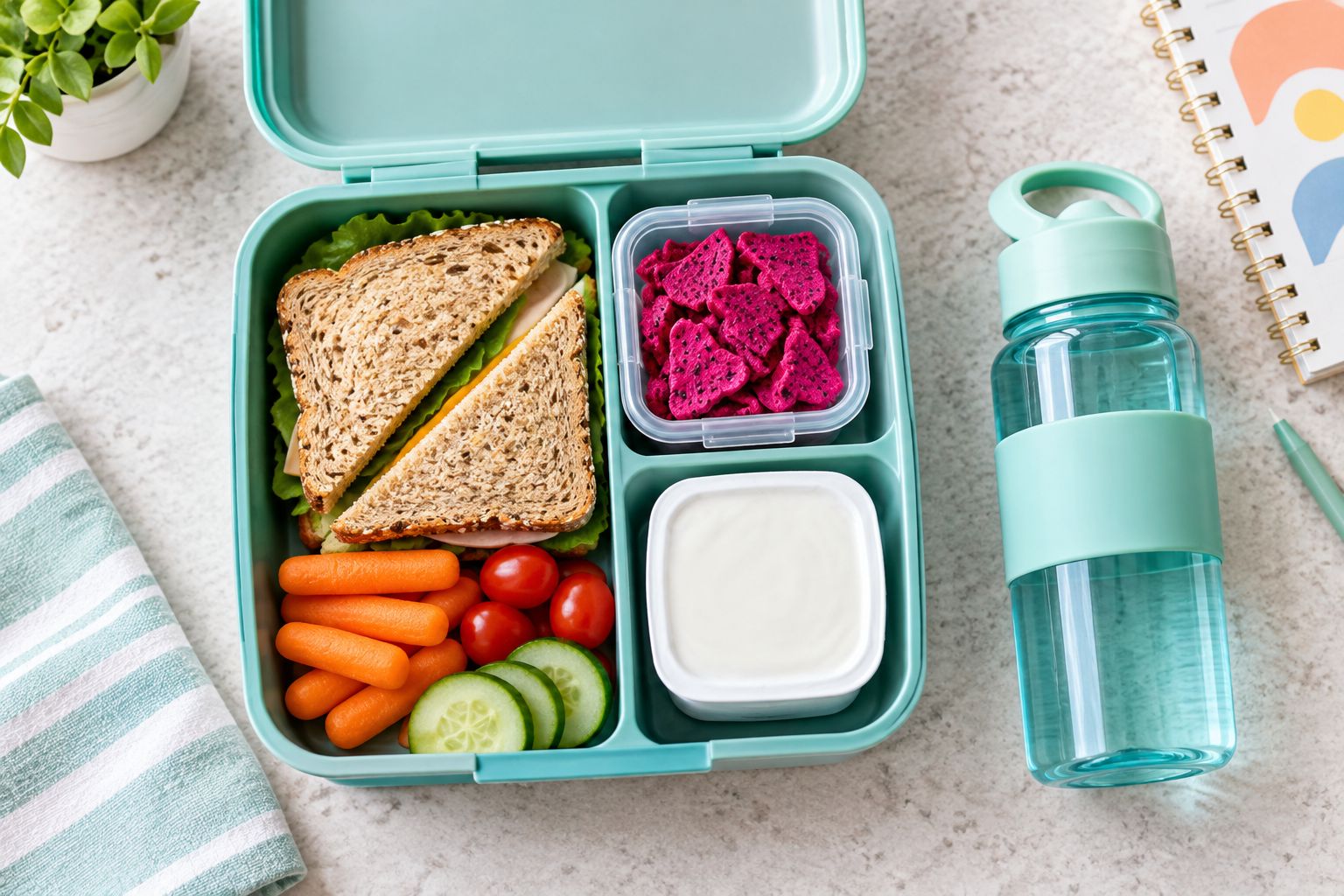
Keep freeze-dried dragon fruit sealed until snack time. Freeze-dried fruit absorbs moisture, which changes its crisp texture. A damp compartment or direct contact with juicy food defeats the reason you chose a crunchy snack.
Pack the fruit separately from yogurt, cut fruit, sauces, and other wet foods. Keep heavier items from pressing directly on the bag. If lunch includes foods that need cooling, follow their food-safety requirements; the presence of a dry fruit snack does not change how the rest of lunch should be stored.
A separate dry container is useful when you are repacking. An unopened bag also needs a sensible spot in the lunchbox, away from a leaking bottle or a wet ice-pack surface.
Use these packing habits:
- Keep crisps in a sealed bag or dry container.
- Separate them from wet foods.
- Check drink lids for leaks.
- Put heavy containers beside, not on top of, the crisps.
- Follow the package’s instructions after opening.
6. Build a snack routine with familiar foods
Choose the rest of the snack according to your child’s needs, the school’s rules, and what they already enjoy. Freeze-dried dragon fruit can be the fruit component without becoming the whole plan for lunch. When pairing it with another food, keep that food in its own container if moisture would soften the crisps.
A simple rotation makes packing easier without requiring a new flavor every day. Keep a familiar choice ready for mornings when your child does not want dragon fruit. Familiarity is useful; variety only helps if the food actually gets eaten.
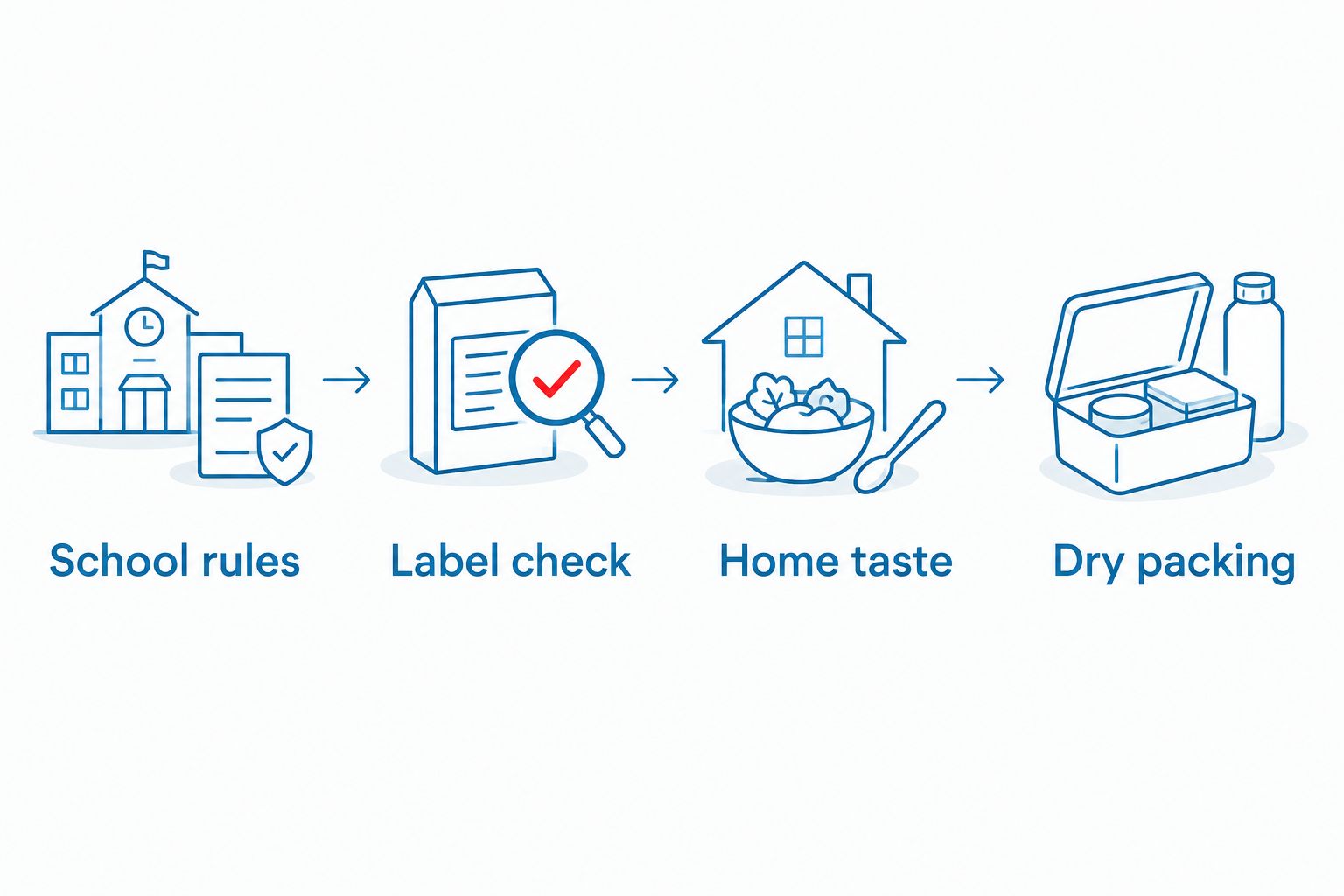
For your 2026 routine, organize decisions in this order: school rules, label check, home taste, dry packing. This keeps the practical checks ahead of the shopping decision.
Build the routine around these choices:
- Keep a familiar fruit option ready.
- Let your child choose between snacks they have already tried.
- Pair foods according to individual needs and school rules.
- Keep wet accompaniments separate until eating.
- Save unfamiliar flavors for home tasting.
7. Review what comes home
Look at the returned snack before buying more. An unopened bag, softened fruit, and crumbs from a crushed portion point to different packing problems. Ask your child what happened rather than deciding that every leftover means they disliked the flavor.
Change one part of the routine at a time. If opening the container was difficult, solve that first. If the texture changed, check the seal and nearby wet foods. If your child simply did not enjoy dragon fruit, use a familiar alternative and leave the new flavor for home.
Keep your 2026 snack notes brief enough to use on a busy morning. The goal is an easier routine, not a detailed record of every bite.
Use this feedback check:
- Ask whether the package was easy to open.
- Check whether the fruit stayed crisp.
- Ask whether there was enough time to eat.
- Adjust the portion if leftovers are consistent.
- Keep successful flavors in the rotation.
Compare school-snack options
Choose the format your child can use, not the box with the most variety. Fresh dragon fruit offers a juicy texture but requires preparation. Freeze-dried dragon fruit offers a crisp texture but needs a dry, protected place in the lunchbox.
| Option | Best for | Practical advantage | Key limitation |
|---|---|---|---|
| Fresh dragon fruit | Children who prefer juicy fruit | A different texture from dried crisps | Needs peeling, cutting, and appropriate storage |
| Freeze-dried dragon fruit | Children who have tried and enjoyed a crisp fruit snack | No peeling or cutting at packing time | Moisture softens the crunch; acceptance needs a home trial |
| Freeze-Dried Fruit Crisps Lunchbox Snack Variety Pack | Parents seeking strawberry, apple, and pear in single-serve bags | A school-lunch format with familiar fruit choices | It is not a dragon fruit selection |
| Ultimate Variety Pack | Families who already enjoy a broad flavor rotation | Contains 36 single-serve bags labeled 0.53 oz | A broad assortment does not ensure your child likes every flavor |
Naturesturn’s lunchbox assortment is an alternative if dragon fruit does not become a favorite. The strawberry option below also gives you a single-flavor choice with a sweet-tart crunch. Neither choice removes the need to check labels, classroom rules, and your child’s preferences.
Familiar fruit alternatives

Strawberry, apple, and pear in small, single-serve bags sized for school lunches.
$24.99

Real strawberries, sliced and freeze-dried into light, crisp pieces with a sweet-tart crunch.
$14.99
Common mistakes parents make
Sending a new texture straight to school
A familiar fruit name does not mean a familiar eating experience. Freeze-dried dragon fruit is crisp, not juicy. Try the texture at home first, where you can answer questions and see whether your child enjoys eating it.
Calling no-added-sugar fruit sugar-free
No added sugar describes what was not added; it does not erase the sugar naturally present in fruit. Use accurate language when discussing snacks with your child, teacher, or another caregiver. Read the Nutrition Facts panel rather than treating the front label as the full nutrition picture.
Assuming simple ingredients mean classroom approval
A short ingredient list does not settle allergy, cross-contact, or school-policy questions. Check the exact package and your school’s current instructions. Never describe a snack as safe for every child just because it contains fruit.
Putting crisps beside wet food without a seal
An open compartment next to yogurt or juicy fruit works against the crisp texture. Pack the foods separately and check for leaks. When lunchbox fruit returns softened, inspect the packing setup before ruling out the flavor.
Buying a large assortment before testing preferences
An assortment is useful after you know which textures and flavors your child enjoys. It creates extra decisions when everything is unfamiliar. Start with a home taste, then choose the pack format that matches the snacks your family actually eats.
FAQ
What is freeze dried dragon fruit?
Freeze dried dragon fruit is dragon fruit dried through a process that freezes the fruit and removes water under reduced pressure. The result has a crisp texture rather than the juicy texture of fresh fruit.
Is freeze-dried dragon fruit a good school snack?
Freeze-dried dragon fruit is a practical school-snack option when your child enjoys the texture and the product meets school rules. Check the current label and introduce it at home before packing it.
Does no added sugar mean dragon fruit crisps are sugar-free?
No, no added sugar does not mean sugar-free. Dragon fruit contains naturally occurring sugar, and freeze-drying does not remove that sugar.
How do I keep freeze-dried dragon fruit crunchy in a lunchbox?
Keep freeze-dried dragon fruit sealed in a dry bag or container and separate from wet foods. Follow the package’s storage instructions and protect the snack from leaks and heavy lunchbox items.
Can I pack fruit crisps with yogurt?
Yes, you can pack fruit crisps and yogurt in separate, closed containers when both suit your child’s needs and school rules. Keep the yogurt appropriately chilled and add crisps only when ready to eat if you want to preserve their crunch.
Are Naturesturn fruit snacks suitable for every classroom?
No snack is automatically suitable for every classroom. Naturesturn freeze-dried fruit snacks still require a check of the exact product label, school restrictions, and any individual allergy or care-plan requirements.
What should I do if my child brings dragon fruit crisps home uneaten?
Ask whether the issue was flavor, texture, opening the package, or time to eat. Change the relevant part of the routine, and use a familiar snack if your child does not enjoy dragon fruit.
One last thing
Before your next 2026 school morning, let your child open the packed snack at the kitchen table. That small rehearsal checks something a product description cannot: whether the lunchbox setup works for the person eating it.
A snack your child can open and enjoys eating is a better packing choice than an unfamiliar flavor sent without a trial. Keep dragon fruit in the rotation if it passes that everyday test.