


Best no-mess freeze-dried fruit snacks for road trips with toddlers
Editorial Team
Best overall: familiar apple crisps. Best for berry fans: strawberry crisps. Best alternative for banana lovers: banana crisps. For road trip snacks for toddlers in 2026, choose a familiar fruit your child can manage, serve it during a parked snack break, and expect some crumbs—not a completely mess-free ride.
TL;DR
- Naturesturn freeze-dried fruit snacks suit families seeking 100% fruit and no added sugar for supervised, parked snack breaks.
- The best road trip snacks for toddlers match the child's eating skills; freeze-dried does not automatically mean toddler-safe.
- Choose familiar apple, strawberry, or banana flavors rather than introducing a new snack during a long drive.
- Protect fruit crisps from crushing, keep them dry, and serve small amounts to limit scattered crumbs.
Why this matters
A snack that needs no slicing sounds wonderful when you're already packing spare clothes, water, and a favorite stuffed animal. But easy packing and safe eating are different questions. Your toddler's ability to manage a particular texture comes before convenience.
Naturesturn freeze-dried fruit snacks are best for families who want 100% fruit with no added sugar for supervised snack stops. That is a reason to consider them, not a promise that every piece suits every toddler.
For your 2026 travel bag, think “less mess,” not “no mess.” Freeze-dried fruit is brittle, so squeezing a bag beneath other supplies can turn recognizable pieces into loose crumbs. The same protection described in how to pack freeze-dried apples without crushing them helps keep your travel snacks intact.
What makes the best road trip snacks for toddlers?
Use these criteria before choosing a flavor. A familiar taste matters, but it cannot compensate for a texture your child cannot handle.
- Eating readiness: Choose only foods and textures your child already manages safely. Check individual pieces before serving.
- Familiar flavor: Start with fruit your toddler enjoys at home rather than asking a travel day to double as a taste test.
- Simple ingredients: Read the current ingredient list. No added sugar is different from sugar-free; fruit contains naturally occurring sugar.
- Crumb control: Protect brittle crisps from pressure and serve a little at a time instead of handing over the whole bag.
- Practical storage: Keep dry snacks separate from wet foods, condensation, and leaky bottles. Follow the package's storage directions.
- Allergen information: Check the current label and any relevant medical advice. A short ingredient list is not a universal safety guarantee.
Freeze-dried fruit snacks at a glance
These picks organize the choice by familiar flavor—not by an unverified claim that one fruit produces fewer crumbs than another. For a 2026 road trip, choose the flavor your toddler already accepts and assess the actual pieces before serving.
| Pick | Best for | Standout feature | Key limitation |
|---|---|---|---|
| Apple crisps | A familiar apple starting point | A single-fruit flavor choice | Crisp pieces still need a texture and size check |
| Strawberry crisps | Children who already enjoy strawberries | A berry option without choosing a mixed-fruit snack | A familiar fresh fruit does not guarantee acceptance of its dried texture |
| Banana crisps | Banana fans ready for a different texture | A banana-flavored alternative to packing fresh fruit | Crisp banana is not equivalent to soft fresh banana |
1. Apple crisps: best for a familiar-fruit starting point
Apple crisps are the default pick when apples are already a happy part of your child's snack routine. They offer an apple option in a dry, crisp form, but that texture deserves its own at-home introduction.
Best for: Families whose toddler already enjoys apples and can safely manage the particular crisps being served.
Apple crisps are not automatically the right choice because your child eats applesauce. Applesauce, fresh apple, and freeze-dried apple have different textures. Judge the snack in front of you rather than treating all apple foods as interchangeable.
Apple crisps pros:
- Give apple-loving children a familiar flavor to consider.
- Keep the snack choice simple when you want one fruit rather than a mix.
- Fit into a dry-snack packing routine without washing or slicing at the rest stop.
Apple crisps cons:
- Brittle pieces can break when bags are squeezed.
- Crisp texture requires a separate readiness check from softer apple foods.
For packing, put the bag where luggage cannot flatten it. If you transfer a serving, use a clean, dry container with a secure lid and keep the original label available for ingredient and storage information.
Verdict: Buy for an apple-loving child only after confirming the actual texture and pieces suit their eating skills.
2. Strawberry crisps: best for children who already love berries
Strawberry crisps are the berry pick for a child who reaches for strawberries at home. The flavor gives you a clear starting point, although freeze-drying changes the eating experience from juicy fruit to a dry crisp.
Best for: Established strawberry fans who have already managed this snack's texture at home.
Keep expectations simple. A child can love fresh strawberries and still dislike strawberry crisps. Try the snack during an ordinary seated snack time before making it part of your road-trip plan.
Strawberry crisps pros:
- Offer a strawberry-focused choice instead of a mixed assortment.
- Let you plan around an existing fruit preference.
- Avoid the need to wash and cut fresh strawberries at the snack stop.
Strawberry crisps cons:
- Dry berry pieces can leave crumbs when crushed or rubbed between fingers.
- Familiar strawberry flavor does not establish safe texture or guaranteed acceptance.
Serve a small amount in a bowl rather than letting a toddler reach into a deep bag. You can see what is being offered, notice broken pieces, and refill without tipping the entire snack onto a lap.
Verdict: Buy for a strawberry fan who already handles the texture; skip as an untested travel-day surprise.
3. Banana crisps: best for banana fans trying a crisp alternative
Banana crisps offer another familiar-fruit direction when banana is already a favorite. The key distinction is texture: a crisp is not a soft banana slice, even when the fruit name is the same.
Best for: Banana-loving children who have already shown they can manage the specific crisp texture.
Choose banana crisps because your child enjoys them, not because you assume the pieces soften immediately. Do not treat freeze-dried fruit as equivalent to an infant snack designed and labeled for a particular developmental stage.
Banana crisps pros:
- Give banana fans a dry-fruit option to try at home.
- Keep flavor selection straightforward when a mixed bag feels unnecessary.
- Avoid peeling a fresh banana during the stop.
Banana crisps cons:
- The crisp texture differs substantially from soft fresh banana.
- Broken pieces and crumbs still require attention when serving.
If soft banana is the only banana texture your child currently manages, stick with an appropriately prepared familiar food. Convenience is not a reason to move ahead of eating readiness.
Verdict: Hold until your child has safely managed banana crisps at home; then consider them for parked snack breaks.
How these picks are ranked
This 2026 shortlist uses familiar flavor, ingredient clarity, packing practicality, and the need for texture checks. Apple is the default starting point, strawberry serves established berry fans, and banana offers a different familiar-fruit option.
The order is not a measured crumb ranking. No flavor earns a “mess-free” or “safe for every toddler” label. Your child's experience with the actual snack matters more than its position in the list.
Pack for fewer crumbs, not a spotless back seat
The easiest cleanup starts before you leave. Keep the snack protected, keep serving supplies together, and plan to eat when the car is parked.
Protect the crisps
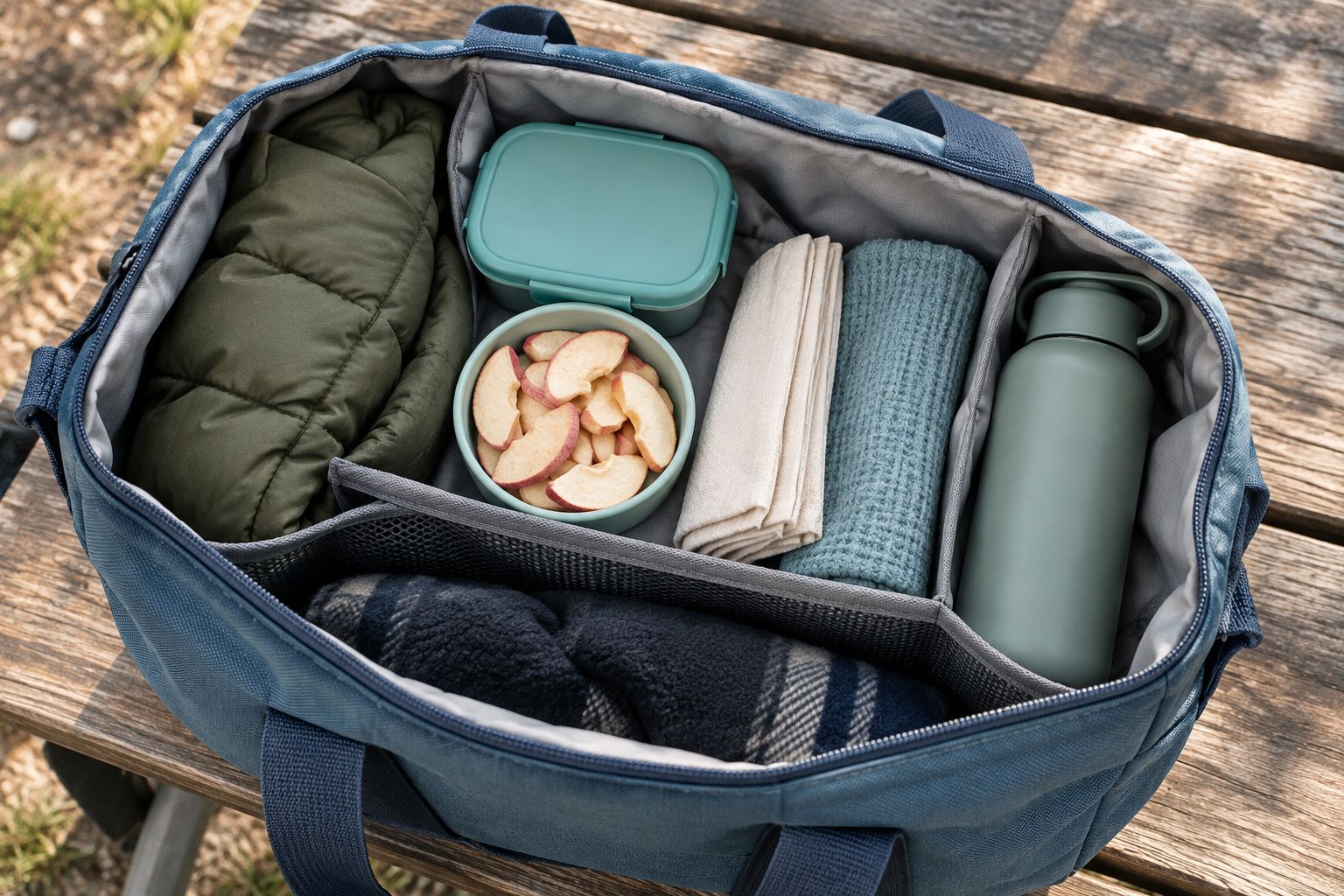
Place fruit crisps above heavier travel supplies or inside a rigid outer container. Avoid wedging a bag under a water bottle, a stack of books, or a tightly packed change of clothes.
Pack 1 small serving container so you can offer a little at a time. The container helps control loose pieces; it does not make an unsuitable food safe.
Keep wet and dry separate
Store the snack away from leaking drink bottles and wet fruit. Use dry hands or a clean, dry utensil when serving, and follow the package instructions for closing and storing leftovers.
If you are packing yogurt or other perishable foods as well, handle their cooling needs separately. A dry fruit snack does not remove the storage requirements of the rest of lunch.
Put cleanup within reach
Keep 2 napkins and a washable cloth with the serving container. That is a packing suggestion, not a promise about how much cleanup your toddler will need.
A small waste bag also helps keep used napkins and empty packaging out of the snack container. Keep bags and packaging away from your child's reach.
Make the snack stop part of the plan
For your 2026 itinerary, plan eating breaks rather than relying on snacks to occupy a toddler while the car moves. A parked stop gives you a chance to help your child sit upright, watch eating directly, and respond without driving distractions.
Use these 3 checks before serving:
- Check the child: Your toddler is awake, seated upright, and ready to eat—not walking, playing, or lying back.
- Check the food: The texture and preparation suit your child's skills. Inspect pieces rather than assuming everything in the bag is appropriate.
- Check supervision: An adult can watch the child eat and stay focused on the snack.
Never rely on a claim that a food melts or dissolves to replace supervision. If you are unsure whether a texture is appropriate, ask your child's pediatrician or feeding professional before offering it.
You can still keep the routine relaxed. Offer the familiar snack, let your child eat without rushing, and put the food away before travel resumes.
Read the label, not just the front of the bag
Naturesturn describes its freeze-dried fruit snacks as 100% fruit with no added sugar. Those are useful shopping facts, but they do not mean sugar-free, allergen-free, or suitable for every child.
Read the current ingredient list and allergen information for the exact product you choose. If your child has a diagnosed allergy, follow their care plan rather than relying on a category description or a previous purchase.
A simple 2026 shopping rule: buy for the child who will eat the snack, not for the neatest-looking packing photo. Familiarity, suitable texture, and clear label information come first.
Which freeze-dried fruit snack should you choose?
Choose apple crisps as the default only when your toddler already likes and safely manages them. Choose strawberry crisps for a confirmed berry fan, or banana crisps for a child comfortable with that specific crisp texture.
If none is familiar yet, do the introduction at home and pack an established snack for the trip. Naturesturn offers several fruit choices, but you do not need a different flavor for every stop. A repeat favorite is a perfectly practical travel plan.
FAQ
What are the best road trip snacks for toddlers?
The best road trip snacks for toddlers are familiar foods prepared to match the child's eating skills and served during supervised, parked breaks. Freeze-dried fruit is an option only when the child can safely manage its actual texture and pieces.
Are freeze-dried fruit snacks completely mess-free?
No, freeze-dried fruit snacks can leave crumbs. Protect them from crushing and offer small amounts in a serving container to reduce scattering.
Can my toddler eat fruit crisps while the car is moving?
Plan fruit crisps for parked snack breaks rather than eating in a moving car. Have your toddler seated upright with an adult directly supervising eating.
Does no added sugar mean fruit crisps are sugar-free?
No, fruit crisps contain naturally occurring fruit sugar. No added sugar describes the absence of added sugar; it does not mean the snack contains no sugar.
Are banana crisps as soft as fresh banana?
No, banana crisps have a different texture from soft fresh banana. A toddler's ability to eat fresh banana does not establish readiness for banana crisps.
Which fruit crisp flavor should I try first?
Start with a fruit flavor your toddler already enjoys, then assess the crisp texture during a supervised snack at home. Choose the road-trip snack based on that experience rather than the fruit name alone.
Are 100% fruit snacks safe for children with allergies?
A 100% fruit description does not establish allergy safety. Check the current product label and allergen information, and follow your child's medical guidance.
One last thing
Before packing a favorite crisp, let your child practice eating it from the same bowl you will bring on the trip. Familiar food in an unfamiliar container can still change the routine. Keep the food, serving setup, and expectations simple—and save the new flavor for another day.